Introduction
You’ve heard the horror stories. A friend started building a custom home with a $650,000 budget and finished at $820,000. A coworker’s “small changes” during construction added $75,000 to their final bill. Your neighbor jokes but not really that their dream home became a financial nightmare.
These stories create a specific fear: What if it happens to me? What if I start this process and end up $100,000 over budget with no way out?
Here’s what most people don’t realize: budget overruns aren’t random acts of construction chaos. They follow predictable patterns and nearly all of them trace back to what happened (or didn’t happen) before construction began. Research shows that up to 30% of change orders are tied to inadequate planning or incomplete designs. That means the budget blowout often starts months before the first shovel hits dirt.
The best custom home builders in Boise understand this. They don’t just build houses, they build protection into their process. And that protection starts with pre-construction.
The 7 Reasons Custom Home Budgets Go Over
Understanding why budgets fail is the first step to ensuring yours doesn’t. Here are the most common culprits:
1. Incomplete or Vague Plans
When architectural drawings lack detail, builders make assumptions. Those assumptions become problems when reality doesn’t match expectations. A wall that wasn’t fully specified, a ceiling height that wasn’t clarified, a structural element that wasn’t drawn correctly each requires a decision during construction, often with a price tag attached.
Industry data suggests that design errors account for 38% of construction disputes. Many of these stem from plans that looked complete but weren’t.
2. Unrealistic Allowances
Allowances are placeholder budgets for items like lighting, flooring, and plumbing fixtures. Many builders use low allowances to make their initial bid look competitive. When you start selecting finishes, you discover that the $5,000 lighting allowance only covers builder-grade fixtures and your taste runs $15,000.
Suddenly, you’re $10,000 over budget before construction even begins.
3. Mid-Project Scope Changes
You tour the framed house and realize you want the kitchen island six inches longer. You decide the primary bathroom needs a larger shower. You add a covered patio that wasn’t in the original plans.
Each change seems small. But each triggers a ripple effect: revised drawings, rescheduled subcontractors, reordered materials, and change order fees. Studies show that change orders add an average of 5% to project costs and that’s for well-managed projects.
4. Poor Communication Between Designer and Builder
When your architect and builder operate as separate entities, gaps form. The architect designs a stunning feature without considering construction cost. The builder prices it literally, without understanding the design intent. Neither communicates with you about the disconnect until you’re already committed.
This is why design-build firms where design and construction operate under one roof consistently deliver better budget outcomes.
5. Unidentified Site Conditions
Rocky soil, high water tables, unexpected utility locations, or drainage issues can add thousands to your foundation and site work costs. If your builder doesn’t thoroughly evaluate the site before pricing, these surprises hit your budget mid-construction.
6. Material Price Fluctuations
Construction materials can fluctuate 5-10% annually. If your builder priced your project six months before construction starts without locking in subcontractor and material pricing you’re exposed to market risk.
7. Lack of Contingency Planning
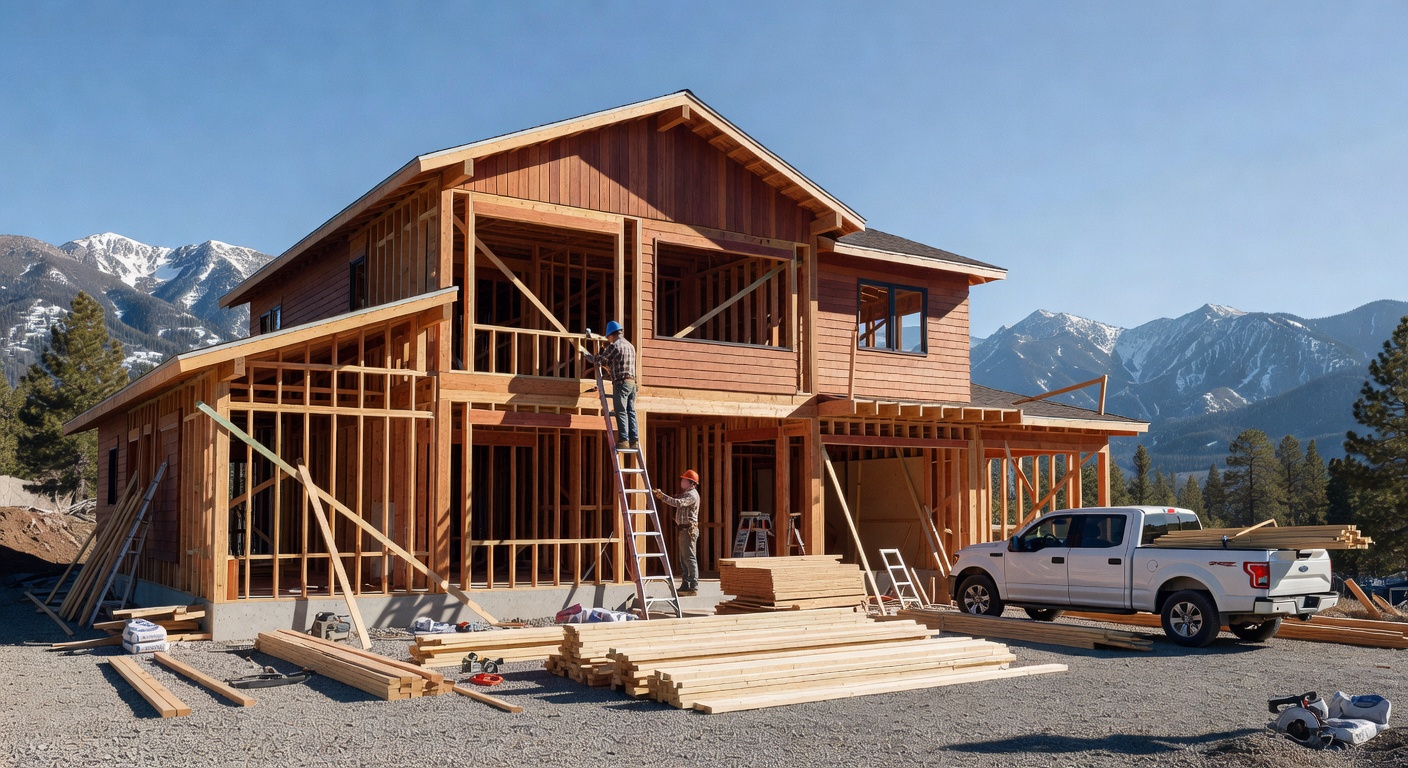
Every custom home encounters unknowns. The question isn’t whether surprises will happen, it’s whether you’ve planned for them. Experts recommend setting aside 10-15% of your budget as a contingency fund. Without it, every unexpected expense becomes a crisis.
How Pre-Construction Planning Prevents Budget Creep
The pattern is clear: most budget overruns stem from decisions made or not made before construction begins. This is why the pre-construction phase matters more than any other part of the building process.
A robust pre-construction process does four critical things:
Completes the design before pricing. No assumptions, no vague specifications. Every element of your home is drawn, detailed, and confirmed before your builder calculates the budget. When plans are complete, estimates are accurate.
Validates allowances against real selections. Instead of guessing what you’ll spend on lighting or tile, the best builders walk you through actual selections during pre-construction. You see real products at real prices. Your allowances reflect reality, not wishful thinking.
Locks in subcontractor and material pricing. Before you sign a construction contract, your builder should have firm bids from their subcontractors and suppliers. This eliminates market risk and gives you a fixed number you can trust.
Identifies site challenges early. Soil tests, surveys, and site evaluations happen during pre-construction not after you’ve committed. If your lot has challenges, you know the cost before you break ground.
Research from McKinsey found that contractors using thorough historical data and planning in preconstruction reduce change order costs by up to 25%. The investment in planning pays for itself many times over.
What a Strong Pre-Construction Process Looks Like
Not all builders invest equally in pre-construction. Here’s what you should expect from a builder who takes budget protection seriously:
Detailed architectural drawings suitable for permitting and accurate bidding not just concept sketches.
A selection schedule that guides you through finish decisions before construction, preventing last-minute scrambling and costly upgrades.
Line-item budgeting that shows exactly where every dollar goes, with clearly defined allowances and contingencies.
Locked subcontractor pricing with firm bids from the trades who will actually build your home.
A realistic timeline that accounts for material lead times, inspection schedules, and weather contingencies.
Written documentation of every decision, so there’s no confusion about what’s included and what’s not.
This phase often takes 8-12 weeks. But that investment creates the clarity and certainty that prevents six-figure budget disasters.
The Mistakes That Lead to Budget Disaster
Even with good intentions, homeowners often undermine their own budget protection:
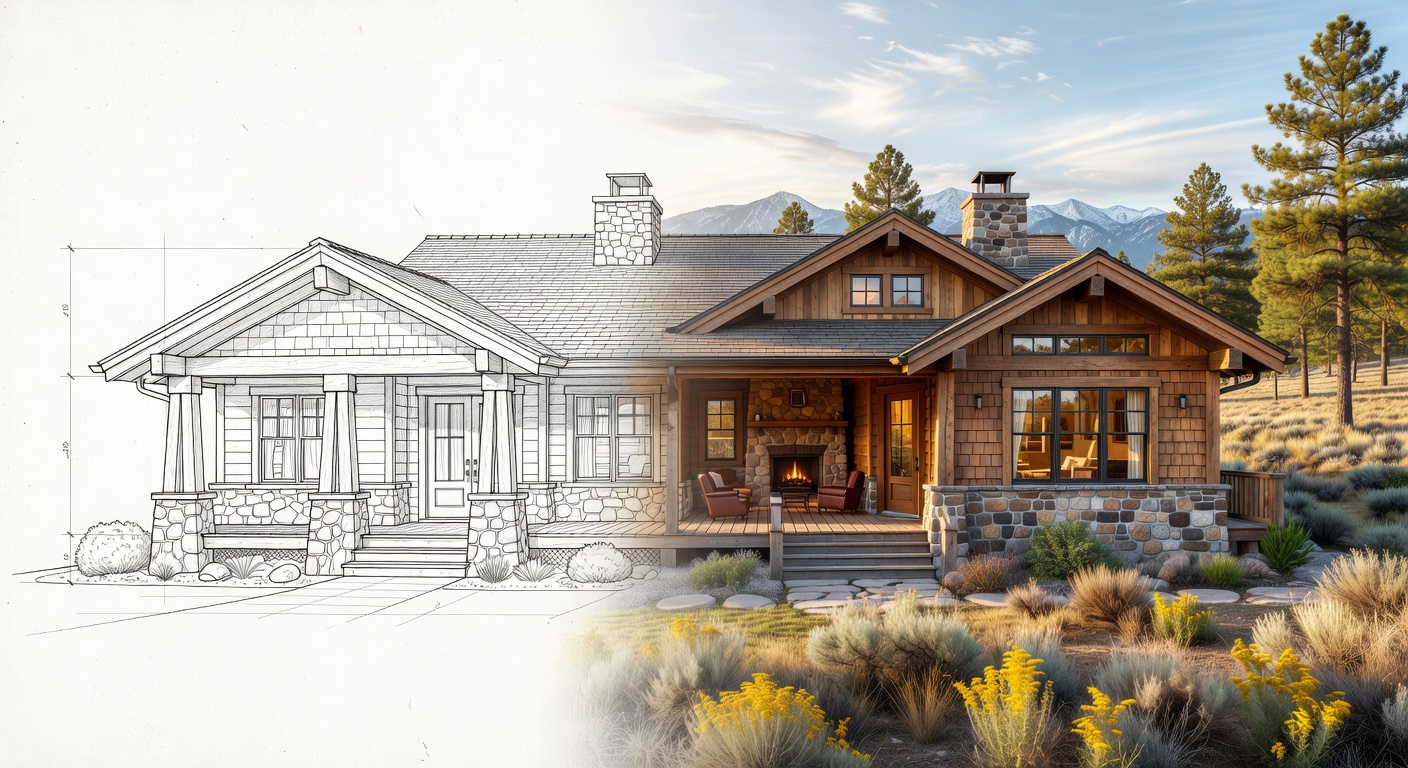
Rushing the pre-construction phase. Excitement is understandable. But pressure to “get started” often leads to incomplete plans and unvetted pricing. Slow down during pre-construction so you can speed up during construction.
Choosing a builder based on the lowest bid. A low bid often signals aggressive assumptions, inadequate allowances, or a builder planning to make up margin through change orders. Compare what’s included, not just the bottom line.
Making “just one more change” after signing. Every post-contract change costs more than the same decision would have cost during pre-construction. Finalize your vision before construction begins.
Skipping the contingency fund. Surprises happen. Without a financial buffer, every unexpected expense requires painful trade-offs or additional financing.
Not reading the contract carefully. Understand what’s included, what’s excluded, and how change orders are handled. Ambiguity in contracts becomes expensive during construction.
Taking Control of Your Custom Home Budget
If you’re planning a custom home in the Treasure Valley, here’s how to protect your budget from day one:
- Prioritize the pre-construction process. Ask builders specifically what deliverables you’ll receive before signing a construction contract. If the answer is vague, keep looking.
- Demand realistic allowances. Ask to see actual products and prices for allowance items before you agree to numbers.
- Get locked subcontractor pricing. Your builder should have firm bids not estimates from their trades before you commit.
- Build in contingency. Budget 10-15% beyond your construction costs for unknowns. If you don’t use it, you’ll have it for landscaping or furnishings.
- Make decisions early. The more you finalize during pre-construction, the fewer expensive changes you’ll face during construction.
Key Takeaways:
- Up to 30% of change orders are tied to inadequate planning or incomplete designs budget overruns typically start before construction begins
- Change orders add an average of 5% to project costs, with some projects experiencing 20-30% overruns when pre-construction is rushed
- A strong pre-construction process including complete drawings, validated allowances, locked subcontractor pricing, and site evaluation can reduce change order costs by up to 25%
Your custom home budget doesn’t have to become a cautionary tale. The difference between a smooth build and a financial nightmare almost always comes down to what happens before construction starts.
At Abstract RD+B, our Define Phase is specifically designed to eliminate budget surprises. Before you sign a construction contract, you’ll receive detailed drawings, a complete selections schedule, line-item budgeting with defined contingencies, and locked subcontractor pricing. Every decision is documented. Every number is verified. You’ll know exactly what you’re building and exactly what you’re paying.
Frequently Asked Questions
Why do custom home budgets go over?
Most overruns trace back to incomplete plans, unrealistic allowances, mid-project changes, poor designer-builder communication, unidentified site conditions, and lack of contingency funds. Up to 30% of change orders stem from inadequate pre-construction planning.
How much do change orders typically add to a project?
Change orders add an average of 5% to project costs on well-managed builds. Poorly planned projects can see 20-30% overruns. Every post-contract change costs more than the same decision made during pre-construction.
How can I prevent budget overruns?
Invest in thorough pre-construction: complete drawings before pricing, validate allowances with real selections, lock in subcontractor bids, and identify site challenges early. This process can reduce change order costs by up to 25%.
How much contingency should I budget?
Set aside 10-15% of your total budget for unknowns. Every custom home encounters surprises the question is whether you’ve planned for them. Unused contingency can go toward landscaping or furnishings.
About the Author
Abstract Residential Design & Build (Abstract RD+B) builds custom homes in Boise and Idaho’s Treasure Valley. Their Define Phase delivers detailed drawings, validated allowances, and locked subcontractor pricing before construction begins eliminating the surprises that cause budget overruns.
Ready to build with confidence?[Contact us to schedule a discovery conversation] and learn how our pre-construction process protects your budget from start to finish.