Introduction
You’ve spent months, maybe years dreaming about your custom home. You’ve saved diligently, found the perfect lot in the Treasure Valley, and now you’re facing a decision that will shape your entire building experience: Should you hire an architect and builder separately, or go with a design-build firm?
This isn’t just a logistical question. It’s a financial one. The wrong choice can mean months of delays, tens of thousands in unexpected costs, and the kind of stress that takes the joy out of building your dream home.
Here’s the truth most people discover too late: the traditional approach of hiring an architect first, then bidding out to builders, was designed for a different era. Today’s custom home buyers in Boise are increasingly choosing a better path, one that delivers faster results, fewer surprises, and measurable cost savings.
What Is Design-Build (And How Is It Different)?
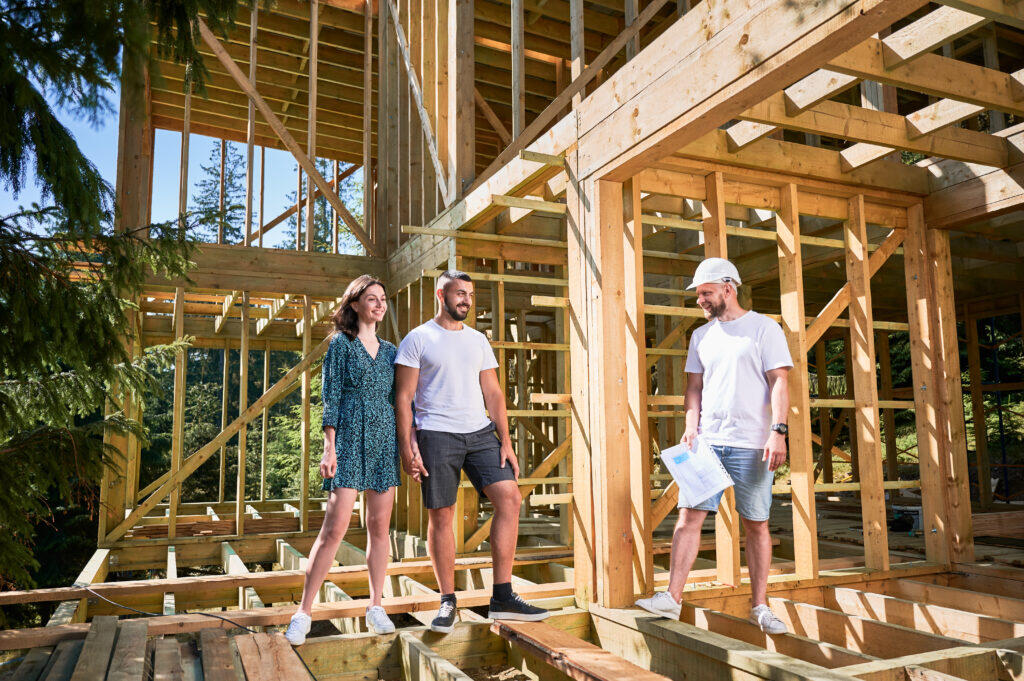
Design-build is a project delivery method where one company handles both the architectural design and construction of your home. Instead of managing two separate contracts with two separate teams, you work with a single, integrated team from day one.
The traditional approach often called design-bid-build works differently. You hire an architect to create your plans, then take those completed plans to multiple builders for competitive bids. Sounds logical, right? But this separation creates gaps that often cost homeowners dearly.
Here’s how the two approaches compare:
| Factor | Design-Build | Separate Architect + Builder |
| Contracts | One contract, one team | Two separate contracts |
| Communication | Direct, streamlined | You’re the middleman |
| Budget Input | Builder involved from day one | Builder sees plans after design is complete |
| Timeline | Design and construction can overlap | Sequential phases (design must finish before bidding) |
| Accountability | Single point of responsibility | Potential finger-pointing between parties |
| Change Orders | Fewer (issues caught early) | More common (design-construction disconnect) |
According to the Design-Build Institute of America, design-build projects experience 3.8% less cost growth than traditional methods. A Penn State study found design-build is 6% less expensive on average than design-bid-build construction.
Why the Traditional Approach Often Costs More
The architect-then-builder model has a fundamental flaw: architects design without real-time construction cost input.
Your architect may create a stunning design with soaring ceilings, custom steel beams, and imported tile. But they’re not the ones pricing subcontractor bids or sourcing materials. When those plans finally go to builders for bidding, you might discover your $600,000 dream is actually an $800,000 reality.
Now you’re stuck. You either pay more than you budgeted, or you go back to the architect for redesign (more fees, more time). This disconnect between design intent and construction reality is why traditional projects are more susceptible to budget overruns.
The other hidden cost? Communication breakdowns. When problems arise during construction and they always do, who’s responsible? The architect points to the builder. The builder points to the plans. You’re caught in the middle, paying for the confusion.
Research shows change orders add nearly 5% to project costs in traditional construction. That’s $30,000 on a $600,000 home money spent fixing problems that could have been prevented.
How Design-Build Protects Your Budget
In a design-build model, your builder is at the table during the very first design meeting. Every architectural decision gets filtered through a construction lens: What will this actually cost? Is there a more efficient way to achieve this look? What are the lead times on these materials?
This collaboration creates three major financial advantages:
Realistic Budgets From Day One. When designers and builders work together, you get accurate cost estimates during the design phase, not surprises after plans are complete. You make informed decisions about where to invest and where to value-engineer before a single shovel hits the ground.
Fewer Change Orders. Design-build projects consistently experience fewer mid-construction changes because potential conflicts are identified and resolved during design. The 2025 DBIA report confirms design-build projects are delivered 102% faster than traditional methods, largely because of this reduced rework.
Single-Point Accountability. When one team owns both design and construction, there’s no finger-pointing. Problems get solved quickly because everyone shares the same goal: delivering your home on budget and on time. Approximately 75-80% of design-build projects finish at or below their original budget.
When Might Separate Architect and Builder Make Sense?
Design-build isn’t right for every project. The traditional approach may work better if:
- You want to work with a specific, renowned architect whose firm doesn’t offer construction services
- Your project is extremely simple with a fully defined scope before construction
- You have extensive construction experience and prefer managing multiple contracts yourself
- Budget is a secondary concern compared to achieving a very specific architectural vision
For most custom home buyers in the Treasure Valley, however, design-build offers clear advantages especially for complex projects, tight timelines, or anyone who values budget certainty over the illusion of competitive bidding.
Common Mistakes When Choosing Your Approach
Mistake #1: Assuming competitive bidding guarantees the lowest price. Multiple bids sound like smart shopping. But builders bidding on completed plans often underbid to win the job, then make up margin through change orders. What looks cheaper upfront can cost more in the end.
Mistake #2: Underestimating your role as project manager. With separate contracts, you become the communication hub between architect and builder. Every question, every conflict, every decision flows through you. For busy professionals, this becomes a second job.
Mistake #3: Choosing based on design fees alone. Architects typically charge 10-15% of construction costs. A design-build firm may bundle these fees differently, making direct comparison difficult. Focus on total project cost, not line-item fees.
Mistake #4: Not asking about pre-construction processes. The best design-build firms invest heavily in pre-construction planning, detailed drawings, locked subcontractor pricing, selection schedules that prevent budget surprises. Ask specifically how they control costs before construction begins.
Taking the Next Step
If you’re planning a custom home in Boise, Eagle, McCall, or anywhere in the Treasure Valley, here’s how to move forward with confidence:
- Define your priorities. Is budget certainty more important than working with a specific architect? Do you have time to manage multiple contracts?
- Interview both types of firms. Meet with design-build firms and traditional architects. Ask each about their process for controlling costs and managing changes.
- Ask about pre-construction. What deliverables do you receive before construction begins? How are subcontractor prices locked in? What happens when you want to make a change?
- Check references for budget performance. Don’t just ask if clients are satisfied. Ask if projects came in on budget and if not, why.
- Trust your gut on communication. The firm that communicates clearly during the sales process will likely communicate clearly during your build.
Key Takeaways:
- Design-build projects cost approximately 6% less than traditional design-bid-build construction and experience 3.8% less cost growth
- The traditional architect-then-builder approach creates communication gaps that often result in budget overruns and change orders
- Design-build’s single-point accountability eliminates finger-pointing and ensures faster problem resolution
- The best design-build firms use robust pre-construction processes to lock in pricing before construction begins
Building a custom home should be exciting, not exhausting. The delivery method you choose sets the tone for your entire experience.
At Abstract RD+B, we’ve spent 22 years refining a design-build process that puts budget certainty and clear communication at the center of every project. Our Define Phase locks in detailed drawings, subcontractor pricing, and selection schedules before construction begins so you know exactly what you’re getting and what you’re paying.
Frequently Asked Questions
What’s the difference between design-build and hiring an architect and builder separately?
Design-build uses one team for both design and construction under a single contract. The traditional approach requires two separate contracts: you hire an architect first, then bid out to builders. Design-build streamlines communication and keeps your builder involved from day one.
Which approach costs less?
Design-build is typically 6% less expensive and experiences 3.8% less cost growth than traditional methods. The savings come from fewer change orders, realistic budgets during design, and no communication gaps between separate teams.
Why does the traditional approach often lead to budget overruns?
Architects design without real-time cost input from builders. You may discover your $600,000 design actually costs $800,000 once builders bid on it. Redesigns mean more fees and delays. Change orders alone add nearly 5% to traditional project costs.
When should I consider hiring a separate architect and builder?
Consider it if you want to work with a specific renowned architect, your project is extremely simple, you have construction management experience, or budget certainty is less important than achieving a particular architectural vision.
About the Author
Abstract Residential Design & Build (Abstract RD+B) has spent 22 years refining their design-build process for custom homes in Boise, Eagle, McCall, and the Treasure Valley. Their Define Phase locks in detailed drawings, subcontractor pricing, and selection schedules before construction begins so clients know exactly what they’re getting and paying.
Ready to see how design-build works for your project?
Contact us to schedule a discovery conversation and learn how our integrated approach can bring your Boise custom home to life on budget and without the stress.