Introduction
You have spent a lifetime building your success, and now you are ready to invest it into a custom home that reflects your legacy. But as you begin to research how to choose a custom home builder in Idaho, you likely find yourself bombarded by horror stories of “contractors from hell” who disappear with deposits or let projects sit idle for months. Whether you are building a mountain modern retreat in McCall or a luxury farmhouse in Eagle, the stakes are incredibly high.
The external problem is a fragmented industry where 92% of firms struggle to find reliable labor, leading to massive delays and broken promises. Internally, this creates a profound sense of skepticism and analysis paralysis; you want to move forward, but the fear of being scammed or experiencing “budget creep” keeps you stuck. Philosophically, building your dream home should be a highlight of your life, not a source of chronic stress. You deserve a partner who values transparency as much as craftsmanship.
Here is what the best, most trustworthy home builder teams are doing differently to earn your confidence and protect your investment.
1. They Lead With a Detailed Pre-Construction Phase
A massive red flag is a builder who gives you a “ballpark” price on a napkin and asks for a signature. A trustworthy builder knows that construction costs now represent approximately 64.4% of the total home price, and they won’t guess with your money.
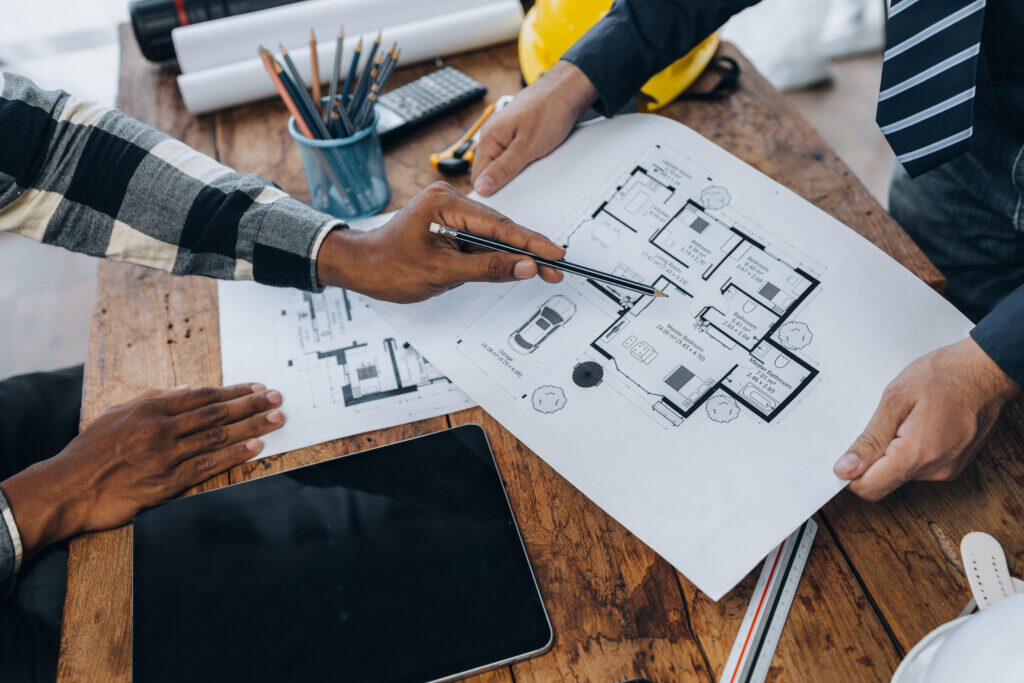
The first green flag is a commitment to a rigorous pre-construction agreement. This phase is designed to build your house on paper before a single shovel hits the dirt. It typically includes:
- Detailed Site Evaluation: Identifying engineering hurdles, soil stability, and drainage issues before they become “groundwater surprises”.
- Locked-in Subcontractor Pricing: Ensuring the numbers are real and based on actual vendor quotes, not just “allowances” that will inevitably spiral.
- A Buildable Schedule: A realistic timeline integrated with actual lead times for windows, cabinetry, and specialized mountain materials.
2. They Utilize a Transparent Online Portal
Communication gaps are the primary cause of project failure and legal disputes. A trustworthy home builder will provide you with a “window” into the job site through modern technology, ensuring you never have to wonder what is happening.
At Abstract RD+B, we use a portal called JobTread. This allows you to see:
- Daily Logs and Photos: Essential for homeowners who are remote or relocating to the Treasure Valley from out of state.
- Real-Time Budget Tracking: Total visibility into every dollar spent, signed proposals, and pending invoices.
- Centralized Communication: Eliminating the need for scattered text messages and emails by keeping all decisions and files in one location.
3. They Offer Flexible, Open-Book Agreements
Trust is built on transparency. When you vet a contractor, ask about their contract structure. A reliable builder will be flexible, offering both Fixed-Price and Cost-Plus (Open-Book) models depending on your specific risk profile.
In an Open-Book Cost-Plus model, a green flag is the builder’s willingness to show you every invoice and every markup. This prevents the builder from hiding “budget creep” behind vague change orders and ensures you only pay for the actual costs of construction. Because builder profit margins typically average around 11%, honesty in these numbers is the only way to maintain a long-term partnership.
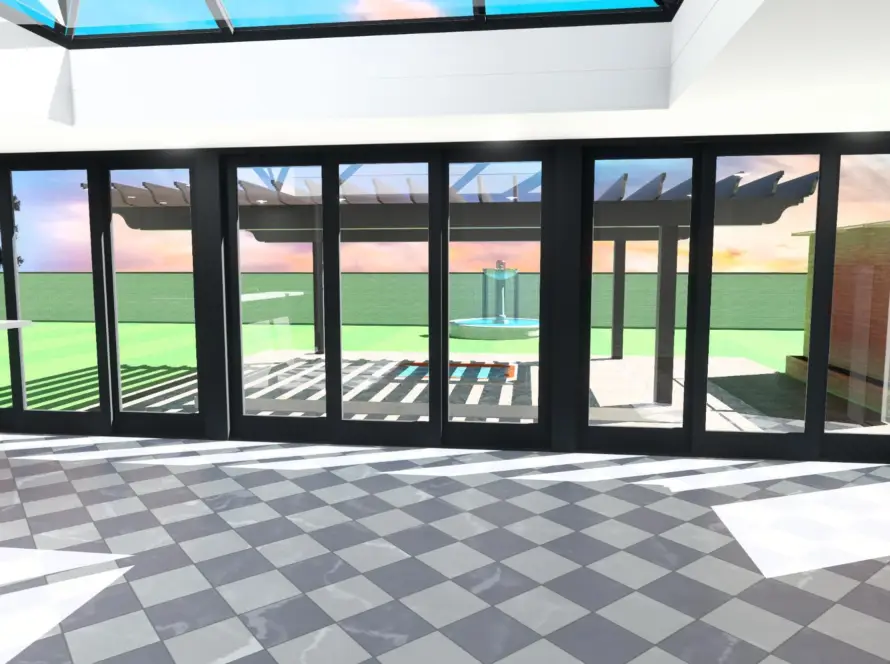
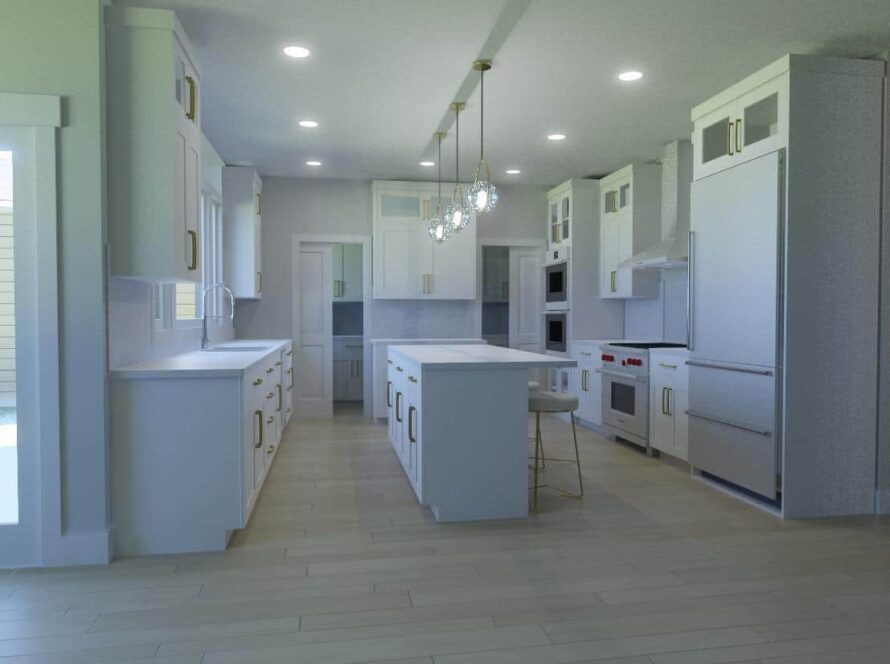
4. They Have an In-House Architectural Design Team
Many builders outsource their drawings, leading to a “communication gap” where the designer doesn’t understand the real-world cost of building what they’ve drawn.
A significant green flag is a builder-led architectural design team. This integration means:
- Cost-Aware Design: Every line drawn on the page is checked against the current market cost of materials, avoiding the heartbreak of a “perfect” design that is $200,000 over budget.
- Faster Iteration: Changes happen in days, not weeks, because the design and construction teams work in sync.
- Permitting Expertise: The team knows exactly what local Idaho municipalities from Boise to McCall require to get your permits approved without delay.
Benefits of In-House Design
- Better Project Flow: You don’t have to act as the go-between for a separate architect and contractor.
- Integrated Value Engineering: Making material choices that provide the most value at the best price early in the process.
5. They Conduct Scheduled, Proactive Site Walks
Trustworthy builders do not hide their work behind drywall. They should invite you to specific, documented site walks at critical milestones, such as the electrical, plumbing, and cabinetry stages.
These walks serve to verify layouts and ensure that what was designed is exactly what is being installed before it is “closed up”. This proactive approach reduces the risk of expensive rework and ensures that the final product meets your exact lifestyle needs. If a builder is hesitant to let you on-site or can’t provide a regular schedule for these walks, it is a major red flag.
6. They Provide a Third-Party Warranty
Anyone can say they stand behind their work, but a trustworthy home builder puts it in writing through an objective third party.
Look for builders who provide a Maverick warranty. This is a transferable, third-party protection plan that offers:
- Structural Coverage: Protecting your investment for years after the keys are handed over.
- Transferability: Adding resale value to your home if you ever decide to sell, as the warranty stays with the property.
- Peace of Mind: Knowing that even if the builder were to retire, your home’s structural integrity is backed by a national provider.
7. They Have a Proven Process for Remote Owners
Many people looking to build a custom home in Idaho are doing so from out of state. A builder who cannot explain their process for managing remote clients is a risk you shouldn’t take.
A green-flag builder will have a system for:
- Weekly Owner Meetings: Documented with agendas, decisions made, and pending actions to keep the project moving while you are away.
- Virtual Site Walks: Utilizing video technology to keep you “on-site” from anywhere in the world.
- Procurement Strategy: Pre-purchasing and storing long-lead materials to avoid supply chain surprises and inflation while you are not there to manage the crisis.
Common Mistakes: Custom Builder Red Flags to Avoid
While looking for green flags, stay vigilant for these warning signs that often lead to project failure and “failed builds”:
- Suspiciously Low Bids: A bid that is significantly lower than others is often a sign of cutting corners, using subpar materials, or hidden fees that will surface later.
- Lack of Online Presence: Reputable businesses in 2026 should have a conspicuous presence, including a well-maintained website and listings in professional directories.
- Hesitation to Provide References: A builder who won’t connect you with past clients is likely hiding a history of poor workmanship or communication.
- No Physical Presence on Site: If no one from the builder’s team is regularly on-site to oversee subcontractors, mistakes go unnoticed and timelines slip.
Taking Action: How to Vet a Contractor Effectively
The most expensive home is the one that never finishes. To avoid becoming a cautionary tale, take these clear steps toward a successful build:
- Schedule a Discovery Call: A 30-minute call to see if your goals, budget, and timeline align with the builder’s expertise.
- Request a Sample Pre-Construction Checklist: See the level of detail they go into regarding site preparation, permitting, and engineering before asking for a signature.
- Verify Licensing and Insurance: Ensure they have general liability and workers’ compensation coverage to protect you from liability for job site injuries.
At Abstract RD+B, we believe the building process should be as comfortable as the home you’re creating. We provide the clarity, cost confidence, and precision-driven execution required to build your legacy in the Treasure Valley.
Key Takeaways:
- Integration is Power: Look for in-house architectural design and construction management to avoid communication gaps.
- Transparency is Mandatory: Demand an online portal like JobTread for real-time tracking of your budget and schedule.
- Precision Over Speed: A rigorous pre-construction phase is the only way to prevent budget creep and ensure a high-level finish.
Frequently Asked Questions
What’s the biggest green flag when choosing a custom home builder?
A detailed pre-construction phase. Trustworthy builders won’t give “ballpark” quotes; they’ll evaluate your site, lock in subcontractor pricing, and create a realistic schedule before asking you to sign a construction contract.
Why is an online project portal important?
Portals like JobTread provide real-time visibility into daily progress photos, budgets, and all project communication. This eliminates guesswork and prevents the miscommunication that leads to disputes and costly mistakes.
What are the biggest red flags to avoid?
Watch out for suspiciously low bids, no online presence, hesitation to provide references, and no regular on-site supervision. These often lead to hidden fees, poor workmanship, and failed builds.
How do I verify a builder is legitimate?
Check their licensing and insurance (general liability and workers’ comp), request references from past clients, ask for a sample pre-construction checklist, and schedule a discovery call to assess their communication style and process.
Building a custom home doesn’t have to be a gamble.
When you know the green flags to look for from transparent portals to third-party warranties you can choose a partner who will guide you from first sketch to final handoff with total integrity.
[Schedule Your Discovery Call with Abstract RD+B Today]
About the Author
Abstract Residential Design & Build (Abstract RD+B) builds custom homes in Boise, Eagle, McCall, and throughout the Treasure Valley. With in-house architectural design, a JobTread client portal, and a rigorous pre-construction process, they deliver the transparency and precision that discerning homeowners expect.